

Biology Past Questions And Answers
In which of the following organisms does each cell combine the function of nutrition, reproduction and growth?
- A. Rhizophus
- B. Dryopteris
- C. Brachymenium
- D. Spirogyra
What type of lens is used in the spectacles of the people with this eye defect?
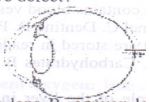
- A) concave lens
- B) convex lens
- C) all of the options
- D) none of the options
One of the ways of controlling noise pollution in urban areas is
- A. by siting industries away from residential areas
- B. that fuel should be completely combusted by engines
- C. by planting trees on both sides of the road
- D. by wearing ear devices
The villus in the small intestine is significant because
- A. Increases the surface area for absorption
- B. increases the surface area for digestion
- C. assists in mixing digested food
- D. assists in filtering undigested food
A beaker of pond water containing few specimens of Euglena was placed in a dark room for two weeks. At the end of this period, the specimens of Euglena were still alive because they were
- A. able to carry out holozoic nutrition
- B. able to carry out photosynthesis using carbon dioxide in the pond water
- C. better adapted to life in darkness than to life in light
- D. not overcrowded
Which of these is not a water soluble vitamin?
- A) Thiamine
- B) Riboflavin
- C) Folic Acid
- D) Calciferol
____________ are hollow tubes made up of polymerized tubulin that provide support throughout the cell.
- A. Fibrae
- B . Flagella
- C. Microtubules
- D. Cilia
Ecological succession refers to
- A. The movement of organisms from one habitat to another
- B. The competition among species for limited resources
- C. The process of natural selection in a population
- D. The gradual and predictable change in a community over time
Which of the following organisms undergo photosynthesis?
- I. Blue-green algae II. Cyanobacteria III. Ferns A. I and II only
- B. I and III only
- C. I, II, and III
- D. III only
The sex-linked defect in which very slight cut produces severe bleeding is known as
- A. anaesmia
- B. anorexia
- C. haemophilia
- D. haemolysis